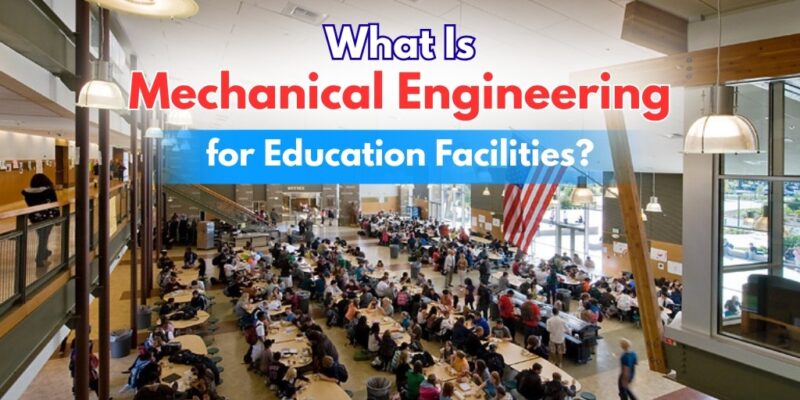
what is mechanical engineering for education facilities

When it comes to designing and constructing schools, universities, and other learning institutions, one of the most critical — yet often overlooked — disciplines is mechanical engineering for education facilities. From ensuring classrooms are properly ventilated to making certain that heating and cooling systems run efficiently, mechanical engineering plays an absolutely vital role in creating safe, comfortable, and productive learning environments. Whether you’re a school administrator, facility manager, or building developer, understanding what mechanical engineering for education facilities involves can help you make smarter, more informed decisions about your next project.

Understanding Mechanical Engineering for Education Facilities

At its core, mechanical engineering for education facilities in Washington refers to the specialised discipline of designing, installing, and managing the mechanical systems that keep educational buildings functional and comfortable. These systems include heating, ventilation, and air conditioning (HVAC), plumbing, fire protection, and building automation systems — all of which are critical to the day-to-day operation of any school or campus environment.

Unlike standard commercial or residential buildings, education facilities come with their own unique set of challenges and requirements. Schools must accommodate hundreds — sometimes thousands — of occupants across a wide range of spaces, from classrooms and laboratories to gymnasiums, libraries, and cafeterias. Each of these spaces has different mechanical demands, and getting the design right requires a deep understanding of both engineering principles and the specific needs of educational environments.

Building mechanical systems for education must also comply with a strict set of standards and regulations, including ASHRAE guidelines for ventilation, national building codes, and local council requirements. A failure to meet these standards doesn’t just result in compliance issues — it can directly impact the health, safety, and academic performance of students and staff. Research consistently shows that poor indoor air quality and uncomfortable temperatures negatively affect concentration and learning outcomes, making mechanical engineering for education facilities in Washington not just a technical matter but an educational one as well.

Mechanical Systems Design for Campuses — What’s Involved?

Mechanical systems design for campuses is a comprehensive process that goes well beyond simply selecting an air conditioning unit or installing a few pipes. It involves a holistic assessment of the entire facility — its size, layout, occupancy levels, energy performance goals, and long-term maintenance requirements — before a single piece of equipment is specified or installed.

The design process typically begins with a detailed brief that outlines the functional requirements of each space within the facility. A science laboratory, for instance, requires specialised ventilation to manage chemical fumes and maintain air safety, while a school gymnasium needs high-volume air movement to handle the heat generated by physical activity. A childcare centre, on the other hand, demands gentle, consistent heating and cooling that maintains a stable and comfortable environment for young children throughout the day.

From there, mechanical engineers develop detailed design documentation that includes system layouts, equipment schedules, duct and pipe sizing calculations, and energy modelling reports. This documentation forms the foundation of the construction process and ensures that every contractor and tradesperson on site is working from the same set of accurate, compliant, and coordinated plans. Mechanical systems design for campuses also involves close collaboration with other engineering disciplines — including electrical, structural, and civil engineers — to ensure that all building systems are properly integrated and coordinated.

Sustainability is another key consideration in modern campus mechanical design. With schools across Australia and beyond increasingly pursuing green building certifications such as LEED and Green Star, mechanical engineers are being called upon to deliver energy-efficient solutions that reduce carbon emissions, lower operational costs, and create healthier indoor environments. Smart HVAC systems, heat recovery ventilation, and building automation technology are all becoming standard features of well-designed education facilities.

Mechanical Engineering Design for Schools

Key Systems Explained

When we talk about mechanical engineering design for schools, we’re referring to a broad suite of systems that work together to create a safe, comfortable, and energy-efficient learning environment. Understanding what these systems are and how they function is essential for anyone involved in the planning, design, or management of a school facility.

The HVAC system is arguably the most important mechanical system in any school building. It is responsible for regulating temperature, controlling humidity, and ensuring adequate fresh air supply throughout the facility. A well-designed HVAC system keeps classrooms at a comfortable temperature year-round, removes airborne contaminants, and maintains the indoor air quality standards required by health and safety regulations.

Plumbing engineering is another critical component of mechanical engineering design for schools. Schools require reliable hot and cold water supply systems, sanitary drainage, and in some cases, specialised plumbing for science laboratories, commercial kitchens, and swimming pools. Plumbing systems must be designed to handle peak demand periods — such as during lunch breaks and between classes — without compromising water pressure or quality.

Fire protection systems, including sprinklers, fire hydrants, and hose reels, are also a key part of the mechanical engineering scope for education facilities. These systems must be designed and installed in strict accordance with the relevant Australian standards and building codes to ensure the safety of all occupants. Alongside fire protection, mechanical engineers are also responsible for designing hydraulic systems that manage storm water and drainage across the campus.

Finally, building automation systems (BAS) are playing an increasingly important role in modern school facility design. These smart systems allow facility managers to monitor and control all mechanical systems from a central platform, optimising energy use, identifying maintenance issues before they become costly problems, and ensuring that the building is always operating at peak performance.

School Building Mechanical Design Services — What to Expect From Your Engineer

Engaging the right school building mechanical design services is one of the most important decisions you’ll make during the planning and delivery of an education facility project. A qualified and experienced mechanical engineer will bring far more to the table than just technical drawings — they’ll provide strategic advice, energy modelling, regulatory guidance, and ongoing support throughout the design, construction, and commissioning phases of your project.

When selecting a mechanical engineering firm for your education facility, it’s important to look for a team with demonstrated experience in the education sector. School buildings have unique requirements that differ significantly from commercial or industrial projects, and working with an engineer who understands these nuances can save considerable time, money, and frustration down the track.

You should also expect your mechanical engineer to take a collaborative approach, working closely with your architect, project manager, and other consultants to ensure that all building systems are properly coordinated and that the final design meets your functional, budgetary, and sustainability goals. Regular design reviews, value engineering workshops, and clear, transparent communication are all hallmarks of a quality mechanical engineering service.

During construction, your mechanical engineer should be actively involved in reviewing shop drawings, attending site inspections, and responding to requests for information from the contractor. Once construction is complete, they should oversee the commissioning and testing of all mechanical systems to ensure that everything is working correctly and in accordance with the design intent before the facility is handed over for occupation.

Final Thought

Mechanical engineering for education facilities in Washington is a complex, multifaceted discipline that has a direct and lasting impact on the quality of learning environments across Australia and beyond. From mechanical systems design for campuses to the detailed specification of HVAC, plumbing, and fire protection systems, getting the mechanical engineering right is absolutely essential for delivering a school or university facility that is safe, comfortable, energy-efficient, and built to last.

At Burman Design, we are passionate about delivering exceptional mechanical engineering design for schools and education facilities of all sizes. Our experienced team brings together technical expertise, creative problem-solving, and a genuine commitment to quality on every project we undertake.

Ready to discuss your next education facility project? Contact our team today and let Burman Design help you bring your vision to life.
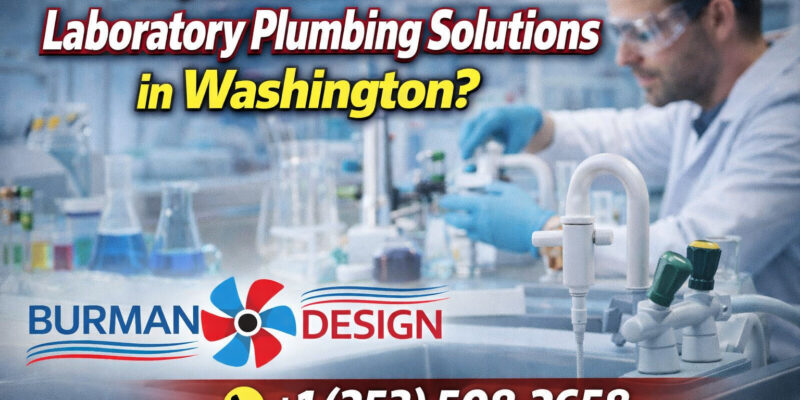
 

Laboratory Plumbing Solutions in Washington, Plumbing Design for Schools in Washington, Mechanical Engineering for Education Facilities in Washington, Burman Design

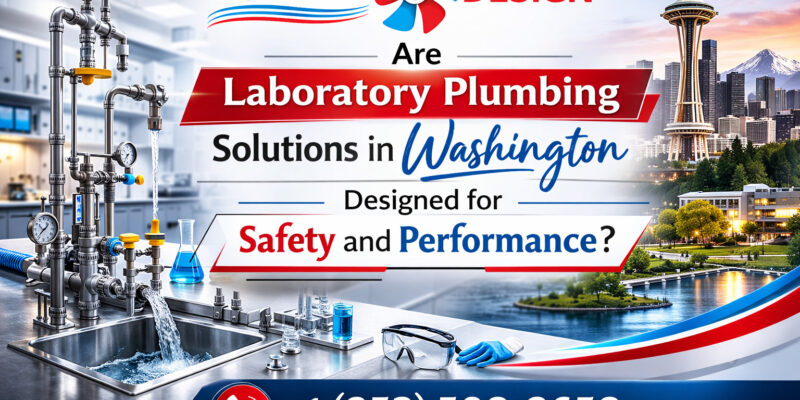
Modern laboratories demand far more than standard plumbing systems. Whether in K–12 schools, colleges, or specialized research facilities, labs require carefully engineered infrastructure to ensure safety, compliance, and long-term reliability. That’s why professional Laboratory Plumbing Solutions in Washington are essential for educational and institutional projects.

From chemical waste handling to emergency safety fixtures, laboratory plumbing systems must be designed with precision. A poorly planned system can lead to safety risks, regulatory violations, and costly repairs. Investing in expert design ensures performance, durability, and peace of mind for facility managers and administrators.

What Makes Laboratory Plumbing Systems Unique?

Unlike traditional plumbing in commercial or residential buildings, laboratory systems must accommodate specialized equipment, hazardous materials, and strict safety standards.

Chemical-Resistant Drainage Systems

Laboratories often dispose of acids, solvents, and other corrosive substances. Standard piping materials cannot withstand these chemicals over time. Specialized acid-resistant piping, neutralization tanks, and durable materials are critical components of Laboratory Plumbing Solutions in Washington.

By using corrosion-resistant systems, facilities reduce the risk of leaks, environmental contamination, and premature infrastructure failure.

Emergency Fixtures and Safety Integration

Safety showers and eyewash stations are mandatory in many laboratory environments. These fixtures must provide consistent water flow, proper pressure, and temperature control. Plumbing engineers carefully design these systems to comply with OSHA and state safety standards.

Strategic placement ensures accessibility during emergencies while maintaining efficient space planning.

Backflow Prevention and Water Quality Control

Protecting potable water supplies is a top priority. Laboratories must incorporate backflow prevention devices and cross-connection controls to safeguard municipal water systems. Proper design not only ensures regulatory compliance but also protects public health.

How Do These Systems Support Educational Institutions?

Educational facilities have unique needs when it comes to laboratory design. Student safety, durability, and flexibility are all key considerations.

Plumbing Design for Schools in Washington

Effective Plumbing Design for Schools in Washington focuses on creating systems that can handle daily student use while maintaining safety and efficiency. Middle and high school science labs often experience heavy traffic and varied usage patterns.

Designers must ensure that piping systems, fixtures, and drainage components are durable enough to withstand wear and tear. At the same time, the system must remain adaptable for future curriculum updates or classroom expansions.

Mechanical Engineering for Education Facilities in Washington

Laboratory plumbing does not operate in isolation. It must integrate seamlessly with HVAC systems, ventilation, and other building services. Comprehensive Mechanical Engineering for Education Facilities in Washington ensures that plumbing, heating, cooling, and ventilation systems work together efficiently.

For example, labs handling chemicals require proper ventilation systems that coordinate with water supply and drainage infrastructure. Temperature control, air circulation, and moisture management all play vital roles in maintaining safe and productive learning environments.

Code Compliance and Regulatory Standards

Washington state regulations for educational and laboratory facilities are strict. Plumbing systems must meet building codes, environmental guidelines, and safety standards. Professional design services ensure full compliance, minimizing risks of delays, fines, or redesign costs.

Key Benefits of Professional Laboratory Plumbing Design

Choosing experienced engineers and designers provides long-term value for institutions and project stakeholders.

Enhanced Safety and Risk Reduction

Proper system design reduces risks related to chemical exposure, water contamination, and equipment malfunction. Emergency systems function reliably when needed most.

Cost Efficiency Over Time

Although specialized plumbing systems require upfront investment, they significantly reduce maintenance and repair expenses in the long run. Durable materials and thoughtful design extend system lifespan.

Sustainable and Energy-Efficient Solutions

Modern laboratory design incorporates water-saving fixtures and environmentally responsible practices. Sustainable plumbing systems lower operational costs and support green building initiatives.

Scalability for Future Growth

Educational facilities often expand or renovate over time. Flexible plumbing layouts allow easier upgrades and modifications without major structural disruption.

Why Partner with Experienced Design Professionals?

Laboratory plumbing projects demand precision, coordination, and deep technical knowledge. Working with specialists ensures seamless collaboration between architects, engineers, and contractors.

Burman Design brings expertise in designing reliable and compliant laboratory infrastructure tailored to educational and institutional facilities. From initial concept development to detailed engineering plans, professional guidance ensures accuracy at every stage of the project.

By combining technical excellence with practical construction insight, projects are delivered efficiently and aligned with both budget and safety requirements.

Building Safer, Future-Ready Laboratories in Washington

Laboratories play a crucial role in education, innovation, and research. Ensuring their infrastructure meets modern standards is essential for protecting students, faculty, and researchers. Investing in professional Laboratory Plumbing Solutions in Washington helps create safe, durable, and adaptable environments that support long-term success.

Whether designing new facilities or upgrading existing labs, expert plumbing and mechanical engineering services provide the foundation for reliable performance and regulatory compliance. With thoughtful planning and professional expertise, educational institutions can build laboratory spaces that inspire learning while maintaining the highest standards of safety and efficiency.

Laboratory Plumbing Solutions in Washington, Commissioning Services in Washington, Burman Design

Laboratories are complex environments that demand precision, safety, and strict regulatory compliance. From research institutions to pharmaceutical facilities and university labs, plumbing systems play a foundational role in daily operations. Unlike standard commercial plumbing, laboratory plumbing requires specialized design, installation, and performance standards.

If you are planning a new lab or upgrading an existing facility, understanding the value of Laboratory Plumbing Solutions in Washington can help ensure long-term efficiency, compliance, and operational safety.

The Importance of Specialized Laboratory Plumbing Systems

Laboratory plumbing systems must handle hazardous materials, high-purity water, specialty gases, and precise drainage requirements. Even minor design flaws can lead to safety risks, contamination issues, and costly downtime.

Designed for Safety and Compliance

Washington laboratories must adhere to strict building codes, environmental regulations, and industry standards. Laboratory plumbing systems must support:

  • Chemical waste drainage systems

  • Acid-resistant piping materials

  • Backflow prevention systems

  • Emergency eyewash and safety shower stations

  • Neutralization tanks for hazardous discharge

A properly engineered plumbing system reduces risk exposure and ensures compliance with local and federal safety regulations. This is especially critical for biotech labs, healthcare research facilities, and educational institutions.

Supports High-Purity Water Systems

Many research environments require deionized (DI) water, reverse osmosis systems, or ultra-pure water lines. These systems must be carefully integrated into the building’s infrastructure to prevent contamination and maintain consistent pressure levels.

Professional Laboratory Plumbing Solutions in Washington ensure that high-purity systems operate efficiently while meeting laboratory-grade standards. Precision installation protects sensitive experiments and equipment from costly disruptions.

Customization for Lab Functionality

Every laboratory serves a different purpose. A pharmaceutical lab may require specialized drainage and sterilization systems, while a materials testing facility may focus on gas distribution and process cooling systems.

Laboratory plumbing design should align with:

  • Bench layout and workflow

  • Equipment requirements

  • Future expansion plans

  • Energy efficiency goals

  • Environmental sustainability standards

A customized approach ensures long-term adaptability as research needs evolve.

Integrating Plumbing with Overall Laboratory Performance

Laboratory design is not just about installation — it’s about performance validation. Plumbing systems must function seamlessly alongside HVAC systems, electrical layouts, and safety infrastructure.

The Role of Commissioning in Laboratory Projects

After installation, laboratory systems must be tested and verified to confirm they operate as designed. This is where Commissioning Services in Washington become essential.

Commissioning ensures:

  • Water pressure meets operational standards

  • Drainage systems function without leaks or blockages

  • Emergency systems activate properly

  • Backflow prevention devices operate correctly

  • Regulatory compliance documentation is complete

Without proper commissioning, even well-designed plumbing systems can fail to perform under real-world conditions. Commissioning reduces risk, prevents costly rework, and ensures smooth facility handover.

Preventing Downtime and Costly Repairs

Laboratory downtime can disrupt research timelines and lead to significant financial losses. Proactive planning and expert plumbing design minimize future maintenance issues.

Key long-term benefits include:

  • Reduced risk of pipe corrosion

  • Improved system longevity

  • Lower maintenance costs

  • Better water efficiency

  • Enhanced environmental performance

Proper material selection, system planning, and professional installation all contribute to long-term reliability.

Future-Proofing Laboratory Infrastructure

Research technology evolves rapidly. Laboratories must be designed with flexibility in mind. Plumbing systems should accommodate:

  • Modular lab expansions

  • New equipment installation

  • Changing regulatory requirements

  • Increased water or gas demand

Forward-thinking design prevents expensive renovations in the future. A scalable plumbing system allows facilities to adapt without major structural disruption.

Why Professional Expertise Matters

Laboratory plumbing is a highly specialized field that requires deep technical knowledge and coordination with architects, engineers, and facility managers. General plumbing contractors often lack the expertise required for laboratory-grade installations.

Working with experienced design professionals ensures:

  • Compliance with Washington state regulations

  • Integration with laboratory mechanical systems

  • Accurate documentation and inspection approvals

  • Sustainable and energy-efficient design practices

  • Risk mitigation during construction

Selecting the right design partner is critical to achieving operational excellence.

Laboratory facilities demand precision engineering and strict compliance to function safely and efficiently. From high-purity water systems to chemical waste management, specialized plumbing systems form the backbone of modern research environments.

Investing in expert Laboratory Plumbing Solutions in Washington ensures regulatory compliance, operational efficiency, and long-term reliability. Combined with proper commissioning and system validation, these solutions help laboratories maintain performance standards while supporting innovation and growth.

For organizations planning new laboratory construction or upgrading existing facilities, partnering with experienced professionals like Burman Design ensures that every plumbing component is strategically engineered to meet the demands of today’s advanced research environments.

Laboratory Plumbing Solutions in Washington, Sustainable and Energy-Efficient Building Systems in Washington, Mechanical Engineering for Education Facilities in Washington, Burman Design

Laboratories require highly specialised infrastructure to ensure safety, efficiency, and compliance with strict regulatory standards. From research facilities to educational labs, advanced plumbing systems are critical to daily operations. That’s why professional Laboratory Plumbing Solutions in Washington play a vital role in creating functional and secure environments.

Unlike standard plumbing systems, laboratory plumbing must handle hazardous materials, specialised equipment, and precise water flow requirements. Proper design ensures safe chemical disposal, reliable water supply, and efficient system performance while meeting building codes and safety regulations.

Why Are Laboratory Plumbing Solutions in Washington So Important?

Laboratory facilities demand more than traditional plumbing systems. They require engineered designs that account for safety, durability, and adaptability.

Specialised System Design for Laboratories

Professional Laboratory Plumbing Solutions in Washington typically include:

  • Acid-resistant piping systems

  • Chemical waste drainage

  • Lab-grade sinks and fixtures

  • Emergency eyewash and shower stations

  • Vacuum and compressed air systems

Each component must be carefully selected and installed to withstand exposure to chemicals and high-usage conditions.

Compliance with Safety and Health Standards

Laboratories operate under strict safety guidelines. Plumbing systems must comply with:

  • Local and state building codes

  • Environmental safety regulations

  • Hazardous waste management standards

  • Occupational health requirements

Failure to meet these standards can result in operational risks or legal complications. Proper planning ensures long-term reliability and compliance.


How Do Sustainable Systems Improve Laboratory Facilities?

Modern facilities are increasingly focused on efficiency and environmental responsibility. Integrating Sustainable and Energy-Efficient Building Systems in Washington enhances performance while reducing operating costs.

Water Efficiency and Conservation

Laboratories often consume large volumes of water. Sustainable plumbing designs incorporate:

  • Low-flow fixtures

  • Smart water monitoring systems

  • Efficient drainage solutions

  • Leak detection technology

These features reduce waste while maintaining operational effectiveness.

Integration with Mechanical Systems

Laboratory plumbing systems must work seamlessly with HVAC and other mechanical components. Proper coordination ensures:

  • Balanced water pressure

  • Temperature control for sensitive equipment

  • Safe ventilation in wet areas

  • Reduced system conflicts during construction

This integrated approach improves overall building performance.


Applications Beyond Research Laboratories

While laboratories require highly specialised plumbing, similar engineering principles apply to other institutional buildings.

Mechanical Engineering for Education Facilities in Washington

Educational institutions often include science labs, research centres, and technical training spaces. Integrating Mechanical Engineering for Education Facilities in Washington ensures that laboratory plumbing systems function efficiently within larger campus environments.

Proper mechanical and plumbing coordination supports:

  • Reliable water distribution

  • Safe chemical handling systems

  • Long-term durability

  • Adaptability for future upgrades

This is especially important in universities and research-driven institutions.


Key Benefits of Professional Laboratory Plumbing Design

Choosing experienced engineers provides numerous advantages:

  • Customised system planning

  • Reduced risk of leaks or contamination

  • Improved operational safety

  • Long-term cost efficiency

  • Future-ready infrastructure

Professional design teams assess facility needs and develop tailored solutions that support both safety and performance.


Build Safer and Smarter Laboratory Facilities

Laboratories are environments where precision and safety are non-negotiable. Investing in expert Laboratory Plumbing Solutions in Washington ensures your facility operates efficiently while meeting strict regulatory requirements.

With innovative system planning from Burman Design, laboratories benefit from reliable plumbing infrastructure that integrates seamlessly with modern building systems. By combining advanced design with sustainability principles, facilities can achieve long-term safety, efficiency, and performance excellence.

Building Information Modeling (BIM) for MEP in Washington, Sustainable and Energy-Efficient Building Systems in Washington, Burman Design

Building Information Modeling (BIM) for MEP in Washington is transforming how mechanical, electrical, and plumbing systems are designed and coordinated. BIM technology allows engineers, architects, and contractors to work within a shared digital model, improving collaboration and reducing costly errors during construction.

In today’s complex building projects, accurate coordination between different systems is essential. BIM provides a clear visual representation of the entire building, helping teams identify conflicts, improve efficiency, and deliver projects on time and within budget.

What Is BIM in MEP Engineering?

Building Information Modeling is a digital process that creates a detailed 3D representation of a building’s systems and components. For MEP (mechanical, electrical, and plumbing) engineering, BIM allows professionals to design, test, and optimise systems before construction begins.

Key features of BIM for MEP include:

  • 3D modelling of mechanical, electrical, and plumbing systems

  • Real-time collaboration between project teams

  • Clash detection to identify system conflicts

  • Accurate quantity take-offs and cost estimation

  • Improved construction planning and scheduling

Using Building Information Modeling (BIM) for MEP in Washington helps ensure systems are installed correctly and efficiently.

Benefits of BIM for Construction Projects

BIM offers several advantages for building projects of all sizes:

  • Reduced design conflicts and rework

  • Better coordination between trades

  • Faster project completion times

  • Improved cost control and budgeting

  • Enhanced building performance

By identifying potential issues early in the design phase, BIM helps save time and resources during construction.


Sustainable and Energy-Efficient Building Systems in Washington with BIM

Modern buildings must meet strict energy codes and sustainability standards. Sustainable and Energy-Efficient Building Systems in Washington are essential for reducing environmental impact and operating costs. BIM plays a key role in achieving these goals.

Energy Analysis and System Optimisation

BIM allows engineers to simulate building performance before construction begins. This helps optimise system design for maximum efficiency.

With BIM, engineers can:

  • Analyse energy consumption patterns

  • Optimise HVAC system performance

  • Evaluate lighting efficiency

  • Test different system configurations

  • Reduce overall energy usage

These insights help create buildings that are both comfortable and energy-efficient.

Improved Collaboration for Sustainable Design

Sustainable design requires coordination between architects, engineers, and contractors. BIM provides a shared platform where all stakeholders can collaborate effectively.

Benefits of BIM collaboration include:

  • Clear communication between teams

  • Faster decision-making

  • Reduced design conflicts

  • Better integration of sustainable technologies

  • More accurate project outcomes

This collaborative approach ensures that sustainability goals are achieved without compromising performance or budget.


Applications of BIM for MEP Projects

BIM is widely used across various building types, including:

  • Educational institutions

  • Healthcare facilities

  • Commercial buildings

  • Residential developments

  • Industrial projects

In each of these sectors, BIM improves system coordination, reduces construction risks, and enhances building efficiency.


Why Choose Professional BIM Services

Working with experienced BIM professionals ensures accurate models and efficient project execution. Skilled engineers understand both the technical and practical aspects of MEP systems, ensuring designs are realistic and buildable.

Key advantages of professional BIM services include:

  • Accurate and detailed 3D models

  • Improved coordination between trades

  • Compliance with local building codes

  • Efficient construction planning

  • Reduced project delays and costs

With the right expertise, BIM becomes a powerful tool for delivering high-quality projects.


Build Smarter with BIM Technology

As construction projects become more complex, the need for advanced design tools continues to grow. Building Information Modeling (BIM) for MEP in Washington offers a smarter, more efficient way to design and coordinate building systems.

With expert support from Burman Design, projects benefit from precise modelling, improved collaboration, and long-term performance. By integrating BIM with sustainable design practices, developers and institutions can create efficient, future-ready buildings that meet modern standards.

Mechanical Engineering for Education Facilities in Washington, Sustainable and Energy-Efficient Building Systems in Washington, Burman Design

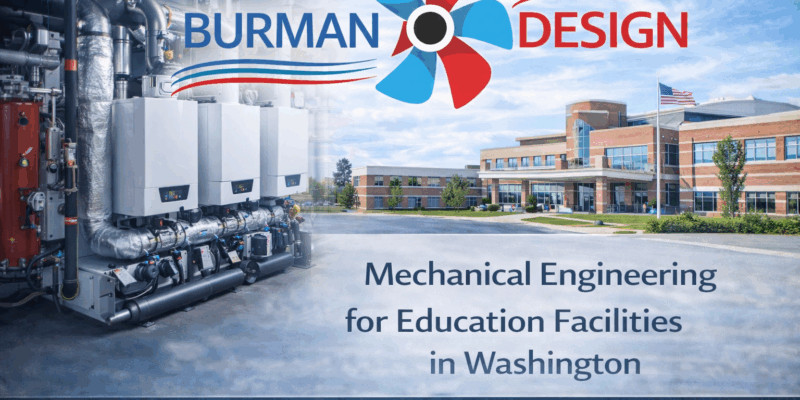
Mechanical Engineering for Education Facilities in Washington plays a crucial role in creating comfortable, efficient, and safe spaces for students, teachers, and staff. From heating and cooling systems to ventilation and energy management, mechanical engineering ensures that educational buildings function smoothly every day.

Modern schools, colleges, and universities demand more than basic infrastructure. They require smart systems that support learning, reduce energy costs, and meet sustainability goals. With expert mechanical engineering, educational institutions can achieve both performance and efficiency.

The Role of Mechanical Systems in Educational Facilities

Mechanical systems are the backbone of any educational building. They control temperature, air quality, water systems, and energy usage. Well-designed systems help create an environment where students can focus and perform at their best.

Key mechanical components in education facilities include:

  • Heating, ventilation, and air conditioning (HVAC) systems

  • Energy management and control systems

  • Plumbing and water distribution

  • Indoor air quality solutions

  • Mechanical rooms and equipment layouts

Effective Mechanical Engineering for Education Facilities in Washington ensures these systems work together seamlessly while meeting local building codes and energy standards.

Importance of Comfort and Indoor Air Quality

Comfortable temperatures and clean air are essential for productive learning environments. Poor ventilation or inconsistent temperatures can affect concentration, attendance, and overall well-being.

Mechanical engineers design systems that:

  • Maintain consistent indoor temperatures

  • Improve air circulation and filtration

  • Reduce humidity and airborne contaminants

  • Support healthy and productive learning spaces

By focusing on indoor environmental quality, educational institutions can create spaces that promote better academic performance.


Sustainable and Energy-Efficient Systems for Modern Campuses

As energy costs rise and environmental concerns grow, schools and universities are increasingly focused on sustainability. Sustainable and Energy-Efficient Building Systems in Washington help institutions reduce operating costs while meeting environmental goals.

Energy-Efficient HVAC Solutions

HVAC systems account for a large portion of a building’s energy use. Modern mechanical engineering focuses on high-efficiency systems that reduce energy consumption without compromising comfort.

Common energy-efficient solutions include:

  • High-efficiency boilers and chillers

  • Variable refrigerant flow (VRF) systems

  • Energy recovery ventilation (ERV)

  • Smart thermostats and building automation

  • Zoned temperature control

These technologies help educational facilities lower utility bills and reduce their carbon footprint.

Smart Building Automation and Controls

Building automation systems play a key role in improving efficiency. These systems monitor and control mechanical equipment in real time, adjusting settings based on occupancy and weather conditions.

Benefits of smart controls include:

  • Reduced energy consumption

  • Improved equipment lifespan

  • Better indoor comfort levels

  • Real-time performance monitoring

  • Lower maintenance costs

Automation allows schools and universities to manage their facilities more effectively while maintaining optimal conditions.


Designing for Long-Term Performance

Educational buildings are long-term investments. Mechanical systems must be durable, adaptable, and easy to maintain. Engineers focus on designs that support future expansion, technology upgrades, and changing educational needs.

Important considerations include:

  • Flexible system layouts

  • Easy maintenance access

  • Scalable equipment capacities

  • Compliance with evolving energy codes

  • Integration with future technologies

Professional Mechanical Engineering for Education Facilities in Washington ensures that systems remain efficient and reliable for years to come.


Partner with Experts for Educational Facility Projects

Choosing experienced mechanical engineers is essential for successful education facility projects. Skilled professionals understand the unique requirements of schools and campuses, from classroom comfort to energy efficiency.

Working with the right engineering team provides:

  • Customised mechanical system designs

  • Compliance with Washington energy codes

  • Efficient project coordination

  • Sustainable and cost-effective solutions

  • Reliable long-term system performance


Build Smarter Educational Spaces

Modern educational facilities require advanced mechanical systems that support comfort, efficiency, and sustainability. With expert Mechanical Engineering for Education Facilities in Washington, institutions can create environments that enhance learning while reducing operational costs.

By incorporating Sustainable and Energy-Efficient Building Systems in Washington, schools and universities can meet environmental goals, improve performance, and invest in a smarter future for students and staff alike.

Mechanical Engineering for Education Facilities in Washington, Sustainable and Energy-Efficient Building Systems in Washington, Burman Design

Educational facilities require more than functional buildings—they need environments that support learning, safety, and long-term sustainability. From K–12 schools to universities and research institutions, mechanical engineering for education facilities in Washington plays a vital role in creating comfortable, efficient, and future-ready campuses. We specialize in delivering mechanical engineering solutions tailored to the unique needs of educational institutions across the state.

The Importance of Mechanical Engineering in Educational Buildings

Mechanical systems form the backbone of any education facility. Heating, ventilation, air conditioning (HVAC), plumbing, and energy systems directly affect indoor air quality, temperature control, acoustics, and overall occupant comfort. In learning environments, these factors significantly influence student performance, staff productivity, and health.

In Washington’s diverse climate, educational buildings must be designed to handle seasonal temperature variations while maintaining consistent indoor comfort. Professional mechanical engineering ensures systems are not only code-compliant but also optimized for efficiency, durability, and ease of maintenance.

Addressing The Unique Needs of Education Facilities

Schools and universities operate differently from commercial or residential buildings. High occupancy levels, varied schedules, and strict safety standards require customized engineering approaches. Effective mechanical engineering for education facilities in Washington considers:

  • Reliable HVAC systems for classrooms, labs, and auditoriums

  • Proper ventilation to support healthy indoor air quality

  • Noise control for focused learning environments

  • Scalable systems that adapt to future expansion

Burman Design collaborates closely with architects, facility managers, and administrators to ensure mechanical systems align with educational goals and operational needs.

Sustainable and Energy-Efficient Building Systems in Washington

Sustainability is a growing priority for educational institutions. Rising energy costs and environmental responsibility have made Sustainable and Energy-Efficient Building Systems in Washington a core focus in modern campus design.

Mechanical engineers play a critical role in reducing energy consumption through smart system design and advanced technologies. These may include high-efficiency HVAC equipment, energy recovery ventilation, demand-controlled ventilation, and intelligent building management systems.

By integrating sustainable strategies early in the design process, schools can significantly lower operational costs while meeting state and local energy standards. This approach also supports long-term facility resilience and environmental stewardship.

Supporting Washington’s Education Sector

Washington is home to a wide range of educational facilities, from urban schools to large university campuses. Mechanical systems must be designed with flexibility to accommodate different building types, occupancy levels, and funding constraints.

At Burman Design, our experience with sustainable and energy-efficient building systems in Washington allows us to create solutions that balance performance with budget considerations. Our designs prioritize long-term value, helping institutions invest wisely in infrastructure that will serve students for decades.

Compliance, Safety, and Performance

Educational facilities are subject to strict building codes, safety regulations, and performance standards. Mechanical engineering designs must comply with state and local requirements while ensuring reliable operation throughout the building’s lifecycle.

Burman Design emphasizes accuracy, documentation, and coordination throughout every project phase. Our team ensures that mechanical systems are designed to meet regulatory expectations while supporting efficient installation and long-term maintenance.

Future-Ready Mechanical Engineering Solutions

As education continues to evolve, facilities must be prepared for new teaching methods, technologies, and enrollment changes. Future-ready mechanical engineering considers adaptability, allowing systems to be upgraded or expanded without major disruptions.

Through thoughtful planning and engineering expertise, mechanical engineering for education facilities in Washington can support modern learning environments that are efficient, healthy, and adaptable. Burman Design is committed to delivering innovative solutions that meet today’s needs while anticipating tomorrow’s challenges.

Partner With Burman Design

Choosing the right mechanical engineering partner is essential for the success of any education facility project. Burman Design brings technical expertise, collaborative design practices, and a strong focus on sustainability to every project.

If your institution is planning a new facility or upgrading existing infrastructure, our team is ready to help deliver reliable and energy-efficient mechanical systems that support learning and long-term operational success.

Commissioning Services in Washington, Laboratory Plumbing Solutions in Washington, Burman Design

Modern buildings rely on complex systems that must work together efficiently to deliver performance, safety, and sustainability. From commercial developments to advanced technical facilities, commissioning plays a critical role in ensuring that systems function as intended. In Washington, professional commissioning helps organizations improve operational reliability, reduce risks, and achieve long-term efficiency.

Burman Design provides expert engineering and system validation solutions tailored to modern infrastructure needs. With a strong focus on technical precision and regulatory compliance, the company supports a wide range of projects, including specialized laboratory environments and complex building systems.

Understanding The Role of Commissioning

Commissioning is a structured process used to verify that building systems are designed, installed, tested, and operated according to project requirements. It involves detailed inspections, performance testing, and documentation to ensure that systems operate efficiently from the beginning.

By identifying potential issues early in the project lifecycle, organizations can avoid costly repairs, operational disruptions, and performance gaps. This process is particularly important for facilities with advanced mechanical, electrical, and plumbing systems, where precision and reliability are essential.

Professional Commissioning Services in Washington help project owners ensure that their facilities meet technical standards while delivering consistent performance.

Key Benefits of Professional Commissioning

Implementing a comprehensive commissioning strategy offers several advantages for building owners and developers.

1. Improved System Performance

Commissioning ensures that systems operate as designed, reducing inefficiencies and unexpected failures.

2. Cost Efficiency

Early detection of design or installation issues minimizes long-term maintenance costs and system downtime.

3. Regulatory Compliance

Commissioning helps ensure that facilities meet local building codes and industry regulations.

4. Sustainability and Energy Efficiency

Optimized system performance contributes to lower energy consumption and supports environmental objectives.

With expert Commissioning Services in Washington, organizations can achieve higher operational reliability and long-term value from their infrastructure investments.

Importance of Specialized Laboratory Plumbing Systems

Laboratory environments require highly specialized plumbing systems designed to meet strict safety and operational standards. These systems must support precise workflows, safe chemical handling, and reliable waste management while complying with regulatory requirements.

Well-designed laboratory plumbing systems enhance the safety of personnel, improve research accuracy, and ensure smooth facility operations. Proper planning and testing are essential to avoid risks and maintain consistent performance in demanding technical environments.

Professional Laboratory Plumbing Solutions in Washington provide tailored system designs that support advanced laboratory functions while ensuring safety and compliance.

Integrating Commissioning with Laboratory System Design

Combining commissioning with laboratory system engineering creates a more reliable and efficient infrastructure. When system design, installation, and testing are aligned, organizations can reduce operational risks and improve overall performance.

Advantages of an Integrated Approach

  • Enhanced system reliability

  • Improved safety and compliance

  • Greater operational efficiency

  • Faster project delivery

  • Long-term system stability

By integrating engineering expertise with Laboratory Plumbing Solutions in Washington, organizations can ensure that laboratory facilities operate at peak performance.

Applications Across Multiple Industries

Commissioning and specialized system design are essential across various industries, including:

  • Healthcare and medical facilities

  • Research and laboratory environments

  • Commercial and office buildings

  • Educational institutions

  • Industrial and manufacturing facilities

  • Data centers

Each industry requires customized solutions to address unique technical challenges and operational requirements.

Future Trends in Commissioning and Laboratory Systems

As building technologies continue to evolve, commissioning will play an increasingly important role in supporting smart infrastructure and energy-efficient systems. Digital monitoring, automation, and advanced analytics are transforming how building systems are designed and validated.

Similarly, laboratory system design is becoming more sophisticated, incorporating innovative materials, automation, and enhanced safety features. Organizations that invest in professional engineering and commissioning solutions will be better prepared to adapt to future technological and regulatory changes.

Professional Commissioning Services in Washington are essential for ensuring that building systems operate efficiently, safely, and in compliance with regulations. When combined with expert Laboratory Plumbing Solutions in Washington, organizations can achieve reliable performance and long-term operational success.

Burman Design delivers integrated engineering and commissioning solutions tailored to Washington’s diverse project requirements. Whether developing a new facility or optimizing an existing one, investing in professional system validation and engineering expertise is a strategic step toward sustainable and high-performance infrastructure.

HVAC System Design in Washington: Smart, Sustainable & Efficient Solutions

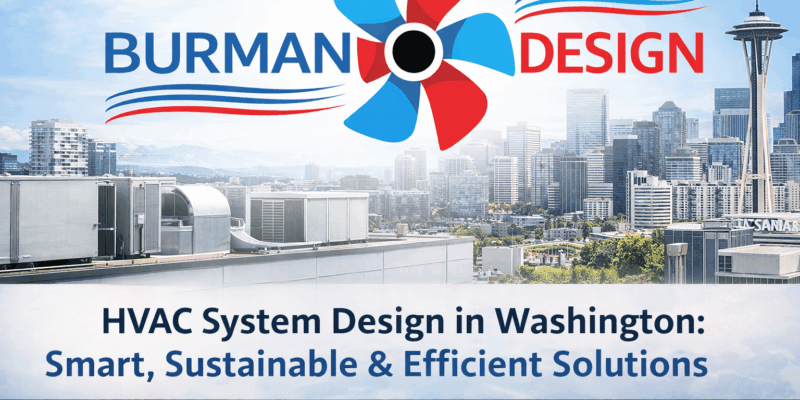
Modern buildings demand more than just heating and cooling—they require smart, efficient, and sustainable systems that deliver comfort while minimizing energy consumption. HVAC system design in Washington has evolved rapidly due to growing environmental awareness, strict energy regulations, and the demand for high-performance building solutions. Whether for residential, commercial, or industrial projects, well-planned HVAC systems play a critical role in improving indoor comfort and reducing operational costs.

In this blog, we explore how professional HVAC design and sustainable building systems in Washington can transform building performance and long-term value.

Understanding HVAC System Design

HVAC (Heating, Ventilation, and Air Conditioning) system design is the process of planning, engineering, and optimizing heating and cooling systems to meet a building’s specific requirements. It involves assessing building size, layout, climate conditions, occupancy patterns, and energy efficiency goals.

In Washington, HVAC system design must address unique challenges such as seasonal temperature variations, humidity control, and energy compliance standards. A well-designed system ensures:

  • Optimal indoor air quality

  • Consistent temperature control

  • Reduced energy consumption

  • Lower maintenance and operating costs

  • Compliance with local building codes

Professional HVAC designers use advanced tools and simulations to create systems tailored to each project, ensuring efficiency and reliability from day one.

Importance of Sustainable and Energy-Efficient Building Systems in Washington

With Washington’s strong focus on environmental responsibility, sustainable and energy-efficient building systems have become a priority for architects, developers, and property owners. These systems are designed to reduce carbon emissions, optimize energy usage, and enhance overall building performance.

Key benefits include:

1. Reduced Energy Costs

Energy-efficient HVAC systems consume less power, significantly lowering utility bills over time. Smart zoning, high-efficiency equipment, and advanced controls help optimize energy usage.

2. Environmental Sustainability

Sustainable building systems reduce greenhouse gas emissions and support Washington’s green building initiatives. Using renewable energy sources and eco-friendly materials further enhances sustainability.

3. Improved Indoor Comfort

Advanced HVAC designs provide precise temperature and humidity control, creating healthier and more comfortable indoor environments for occupants.

4. Compliance with Regulations

Washington has strict energy codes and building standards. Sustainable HVAC design ensures compliance with local regulations, avoiding penalties and project delays.

Key Elements of Effective HVAC System Design

To achieve high performance, HVAC system design must incorporate several critical factors:

Load Calculation

Accurate heating and cooling load calculations are essential to determine the right system capacity. Oversized or undersized systems lead to inefficiency and discomfort.

System Selection

Choosing the right HVAC system—such as VRF systems, heat pumps, or hybrid solutions—depends on building requirements and energy goals.

Smart Controls and Automation

Modern HVAC systems integrate smart controls, sensors, and building management systems (BMS) to optimize performance and reduce energy waste.

Ventilation and Air Quality

Proper ventilation design ensures fresh air circulation while maintaining energy efficiency, which is especially important in commercial and institutional buildings.

Integration with Sustainable Technologies

Integrating HVAC systems with solar panels, geothermal energy, and energy recovery systems enhances sustainability and long-term efficiency.

Why Professional HVAC System Design Matters

Investing in professional HVAC system design in Washington offers long-term advantages for building owners and developers. Expert designers consider both technical and environmental factors to create systems that deliver optimal performance and scalability.

Professional HVAC design helps:

  • Maximize energy efficiency and system lifespan

  • Reduce operational and maintenance costs

  • Enhance property value and occupant satisfaction

  • Support green building certifications like LEED

By partnering with experienced HVAC design specialists, businesses and homeowners can achieve smarter, greener, and more cost-effective building solutions.

The Future of HVAC and Sustainable Building Systems in Washington

The future of HVAC system design in Washington is driven by innovation, digitalization, and sustainability. Technologies such as AI-driven energy management, IoT-enabled HVAC systems, and net-zero building designs are reshaping the industry.

As Washington continues to prioritize environmental sustainability, demand for energy-efficient and eco-friendly HVAC solutions will continue to grow. Forward-thinking building owners who adopt sustainable HVAC designs today will benefit from long-term savings and environmental impact reduction.

HVAC system design in Washington is no longer just about heating and cooling—it’s about creating intelligent, sustainable, and energy-efficient building environments. By integrating advanced technologies and sustainable building systems, property owners can achieve superior comfort, reduced costs, and environmental responsibility.

If you’re planning a new construction or renovation project, investing in professional HVAC system design and sustainable building solutions is a strategic decision that delivers lasting value. With the right approach, your building can achieve optimal performance, energy efficiency, and sustainability for years to come.

Hydronic and HVAC Systems in Washington, Burman Design

Creating comfortable, energy-efficient, and sustainable indoor environments is a top priority for modern buildings. In Washington, where climate conditions vary throughout the year, reliable heating, ventilation, and cooling systems are essential. Hydronic and HVAC Systems in Washington play a crucial role in ensuring optimal indoor comfort while meeting energy codes and sustainability goals. At Burman Design, we specialize in designing advanced mechanical systems that balance performance, efficiency, and long-term reliability.

Understanding Hydronic and HVAC Systems

Hydronic and HVAC systems work together to regulate indoor temperature, air quality, and humidity. While HVAC systems typically rely on air distribution, hydronic systems use water as a medium for heating and cooling, making them highly efficient and adaptable.

Hydronic systems use heated or chilled water circulated through pipes, radiators, or radiant floors to maintain comfortable temperatures. These systems are known for:

  • Superior energy efficiency

  • Even heat distribution

  • Quiet operation

  • Reduced energy loss compared to forced-air systems

HVAC systems, on the other hand, manage heating, cooling, ventilation, and air filtration. When integrated with hydronic solutions, they create a complete climate control strategy that enhances comfort and indoor air quality.

Why Hydronic and HVAC Systems Matter in Washington

Washington’s diverse climate—cool winters, mild summers, and varying humidity—demands systems that are flexible and efficient. Buildings must be prepared for temperature fluctuations while minimizing energy consumption and environmental impact.

Hydronic and HVAC Systems in Washington are especially important for:

  • Commercial buildings

  • Educational facilities

  • Healthcare centers

  • Residential and mixed-use developments

With rising energy costs and stricter building regulations, property owners and developers are increasingly turning to hydronic solutions combined with high-performance HVAC systems to achieve sustainability and cost savings.

Benefits of Integrated Hydronic and HVAC Systems

At Burman Design, we focus on integrated system designs that deliver measurable benefits:

1. Energy Efficiency

Hydronic systems transfer heat more efficiently than air, reducing energy usage. When paired with modern HVAC equipment, they help buildings meet Washington’s energy efficiency standards.

2. Enhanced Comfort

Radiant heating and chilled water systems provide consistent temperatures without drafts or hot and cold spots, ensuring occupant comfort year-round.

3. Improved Indoor Air Quality

Hydronic systems reduce air movement, minimizing dust circulation. Combined with properly designed HVAC ventilation, they improve overall indoor air quality.

4. Sustainability and Lower Carbon Footprint

Water-based systems support renewable energy sources such as heat pumps and solar thermal systems, making them ideal for sustainable building design.

Burman Design’s Approach to Hydronic and HVAC Systems

At Burman Design, we take a strategic, engineering-driven approach to hydronic and HVAC systems in Washington. Our design process focuses on performance, efficiency, and compliance with local codes and standards.

Customized System Design

Every building is unique. We analyze building size, occupancy, usage patterns, and climate data to design systems tailored to each project’s specific needs.

Advanced Technology Integration

We incorporate modern technologies such as:

  • High-efficiency boilers and chillers

  • Variable speed pumps and fans

  • Smart building controls and automation

  • Energy-recovery ventilation systems

These technologies ensure optimal system performance while reducing operational costs.

Code Compliance and Future-Ready Design

Washington has strict energy and sustainability requirements. Our team ensures all hydronic and HVAC designs meet or exceed local and state codes, while also preparing buildings for future upgrades.

Applications Across Different Sectors

Hydronic and HVAC Systems in Washington are widely used across various building types:

  • Educational Facilities: Quiet, efficient systems that support learning environments

  • Healthcare Buildings: Precise temperature and humidity control for patient comfort and safety

  • Commercial Spaces: Scalable systems designed for long-term operational efficiency

  • Residential Projects: Comfortable, energy-efficient heating and cooling solutions

Burman Design has experience delivering solutions that align with the functional and regulatory needs of each sector.

We collaborate closely with architects, contractors, and stakeholders to ensure seamless integration of mechanical systems into the overall building design.

As buildings in Washington continue to evolve, the demand for efficient, sustainable, and high-performance climate control solutions is growing. Hydronic and HVAC Systems in Washington offer a smart, future-ready approach to heating, cooling, and ventilation. With expert planning and innovative design, these systems deliver long-term value, comfort, and energy savings.

At Burman Design, we are dedicated to creating hydronic and HVAC solutions that meet today’s needs while preparing buildings for tomorrow. Our expertise ensures that every project achieves optimal performance, efficiency, and sustainability.