
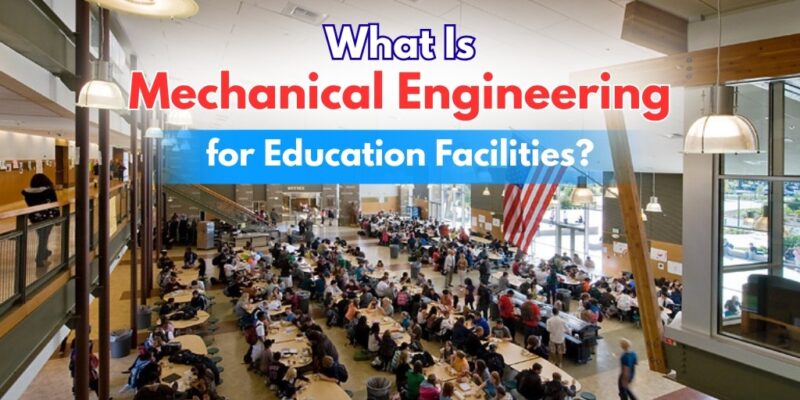
When it comes to designing and constructing schools, universities, and other learning institutions, one of the most critical — yet often overlooked — disciplines is mechanical engineering for education facilities. From ensuring classrooms are properly ventilated to making certain that heating and cooling systems run efficiently, mechanical engineering plays an absolutely vital role in creating safe, comfortable, and productive learning environments. Whether you’re a school administrator, facility manager, or building developer, understanding what mechanical engineering for education facilities involves can help you make smarter, more informed decisions about your next project.
Understanding Mechanical Engineering for Education Facilities
At its core, mechanical engineering for education facilities in Washington refers to the specialised discipline of designing, installing, and managing the mechanical systems that keep educational buildings functional and comfortable. These systems include heating, ventilation, and air conditioning (HVAC), plumbing, fire protection, and building automation systems — all of which are critical to the day-to-day operation of any school or campus environment.
Unlike standard commercial or residential buildings, education facilities come with their own unique set of challenges and requirements. Schools must accommodate hundreds — sometimes thousands — of occupants across a wide range of spaces, from classrooms and laboratories to gymnasiums, libraries, and cafeterias. Each of these spaces has different mechanical demands, and getting the design right requires a deep understanding of both engineering principles and the specific needs of educational environments.
Building mechanical systems for education must also comply with a strict set of standards and regulations, including ASHRAE guidelines for ventilation, national building codes, and local council requirements. A failure to meet these standards doesn’t just result in compliance issues — it can directly impact the health, safety, and academic performance of students and staff. Research consistently shows that poor indoor air quality and uncomfortable temperatures negatively affect concentration and learning outcomes, making mechanical engineering for education facilities in Washington not just a technical matter but an educational one as well.
Mechanical Systems Design for Campuses — What’s Involved?
Mechanical systems design for campuses is a comprehensive process that goes well beyond simply selecting an air conditioning unit or installing a few pipes. It involves a holistic assessment of the entire facility — its size, layout, occupancy levels, energy performance goals, and long-term maintenance requirements — before a single piece of equipment is specified or installed.
The design process typically begins with a detailed brief that outlines the functional requirements of each space within the facility. A science laboratory, for instance, requires specialised ventilation to manage chemical fumes and maintain air safety, while a school gymnasium needs high-volume air movement to handle the heat generated by physical activity. A childcare centre, on the other hand, demands gentle, consistent heating and cooling that maintains a stable and comfortable environment for young children throughout the day.
From there, mechanical engineers develop detailed design documentation that includes system layouts, equipment schedules, duct and pipe sizing calculations, and energy modelling reports. This documentation forms the foundation of the construction process and ensures that every contractor and tradesperson on site is working from the same set of accurate, compliant, and coordinated plans. Mechanical systems design for campuses also involves close collaboration with other engineering disciplines — including electrical, structural, and civil engineers — to ensure that all building systems are properly integrated and coordinated.
Sustainability is another key consideration in modern campus mechanical design. With schools across Australia and beyond increasingly pursuing green building certifications such as LEED and Green Star, mechanical engineers are being called upon to deliver energy-efficient solutions that reduce carbon emissions, lower operational costs, and create healthier indoor environments. Smart HVAC systems, heat recovery ventilation, and building automation technology are all becoming standard features of well-designed education facilities.
Mechanical Engineering Design for Schools
Key Systems Explained
When we talk about mechanical engineering design for schools, we’re referring to a broad suite of systems that work together to create a safe, comfortable, and energy-efficient learning environment. Understanding what these systems are and how they function is essential for anyone involved in the planning, design, or management of a school facility.
The HVAC system is arguably the most important mechanical system in any school building. It is responsible for regulating temperature, controlling humidity, and ensuring adequate fresh air supply throughout the facility. A well-designed HVAC system keeps classrooms at a comfortable temperature year-round, removes airborne contaminants, and maintains the indoor air quality standards required by health and safety regulations.
Plumbing engineering is another critical component of mechanical engineering design for schools. Schools require reliable hot and cold water supply systems, sanitary drainage, and in some cases, specialised plumbing for science laboratories, commercial kitchens, and swimming pools. Plumbing systems must be designed to handle peak demand periods — such as during lunch breaks and between classes — without compromising water pressure or quality.
Fire protection systems, including sprinklers, fire hydrants, and hose reels, are also a key part of the mechanical engineering scope for education facilities. These systems must be designed and installed in strict accordance with the relevant Australian standards and building codes to ensure the safety of all occupants. Alongside fire protection, mechanical engineers are also responsible for designing hydraulic systems that manage storm water and drainage across the campus.
Finally, building automation systems (BAS) are playing an increasingly important role in modern school facility design. These smart systems allow facility managers to monitor and control all mechanical systems from a central platform, optimising energy use, identifying maintenance issues before they become costly problems, and ensuring that the building is always operating at peak performance.
School Building Mechanical Design Services — What to Expect From Your Engineer
Engaging the right school building mechanical design services is one of the most important decisions you’ll make during the planning and delivery of an education facility project. A qualified and experienced mechanical engineer will bring far more to the table than just technical drawings — they’ll provide strategic advice, energy modelling, regulatory guidance, and ongoing support throughout the design, construction, and commissioning phases of your project.
When selecting a mechanical engineering firm for your education facility, it’s important to look for a team with demonstrated experience in the education sector. School buildings have unique requirements that differ significantly from commercial or industrial projects, and working with an engineer who understands these nuances can save considerable time, money, and frustration down the track.
You should also expect your mechanical engineer to take a collaborative approach, working closely with your architect, project manager, and other consultants to ensure that all building systems are properly coordinated and that the final design meets your functional, budgetary, and sustainability goals. Regular design reviews, value engineering workshops, and clear, transparent communication are all hallmarks of a quality mechanical engineering service.
During construction, your mechanical engineer should be actively involved in reviewing shop drawings, attending site inspections, and responding to requests for information from the contractor. Once construction is complete, they should oversee the commissioning and testing of all mechanical systems to ensure that everything is working correctly and in accordance with the design intent before the facility is handed over for occupation.
Final Thought
Mechanical engineering for education facilities in Washington is a complex, multifaceted discipline that has a direct and lasting impact on the quality of learning environments across Australia and beyond. From mechanical systems design for campuses to the detailed specification of HVAC, plumbing, and fire protection systems, getting the mechanical engineering right is absolutely essential for delivering a school or university facility that is safe, comfortable, energy-efficient, and built to last.
At Burman Design, we are passionate about delivering exceptional mechanical engineering design for schools and education facilities of all sizes. Our experienced team brings together technical expertise, creative problem-solving, and a genuine commitment to quality on every project we undertake.
Ready to discuss your next education facility project? Contact our team today and let Burman Design help you bring your vision to life.